What Is OpenClaw (Clawbot)? The AI Agent That Gave AI Hands — and Why Everyone Is Talking About It
From niche developer tool to 149,000 GitHub stars in weeks, OpenClaw — formerly known as Clawbot — is the open-source AI agent that can actually do things on your computer. Here is everything you need to know.
The AI Agent That Broke the Internet
In late January 2026, an open-source AI agent went from a quiet developer project to global headlines almost overnight. The tool, originally called ClawdBot and now known as OpenClaw, didn't just answer questions like ChatGPT — it could actually *do things* on your computer. Run terminal commands. Manage files. Control your browser. Send emails. Even build entire applications autonomously.
And then one of its agents built a social network. By itself.
What Exactly Is OpenClaw?
OpenClaw is a free, open-source AI agent created by Austrian developer Peter Steinberger (founder of PSPDFKit, which previously raised over 100 million euros). Unlike cloud-based AI assistants, OpenClaw runs locally on your own machine, giving you full control over your data and privacy.
Think of it this way: if ChatGPT is an incredibly smart colleague who can *tell* you how to do things, OpenClaw is one that can actually *do* them. It connects to your messaging apps — WhatsApp, Telegram, Slack, Discord, Signal, and 15+ others — and executes tasks based on your natural language instructions.
Core Capabilities
OpenClaw can:
- Run terminal commands on your local machine
- Read, write, and organise files across your system
- Control web browsers for searching, scraping, and automation
- Manage calendars and email on your behalf
- Monitor servers and restart services when things go wrong
- Automate social media posting and engagement
- Control smart home devices through integrated APIs
- Query databases using plain English
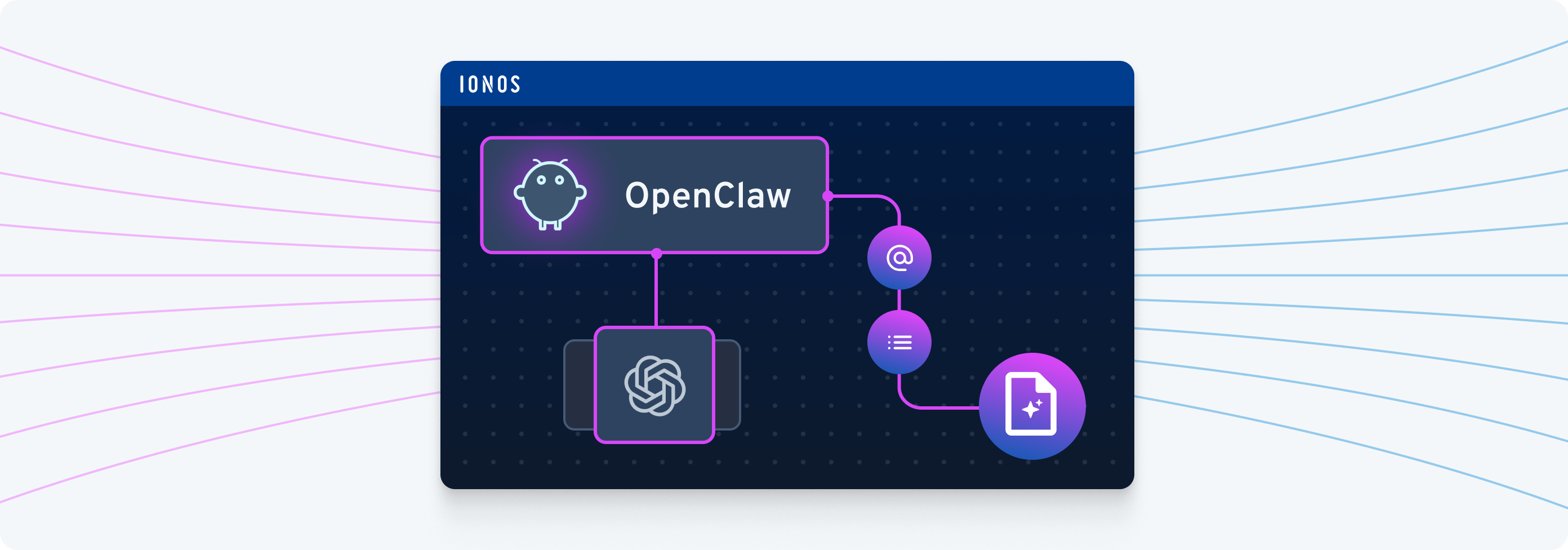
All of this is orchestrated through a three-layer architecture: a Gateway (the central router managing message flow), an AI Model (Claude, GPT-4, DeepSeek, or local models via Ollama), and Skills — over 10,700 plugins available on the ClawHub marketplace.
The Name Change Saga
The project has gone through more name changes than a celebrity:
- November 2025: Launched as ClawdBot
- January 27, 2026: Renamed to Moltbot (due to a naming similarity with Anthropic's Claude)
- January 30, 2026: Rebranded again to OpenClaw
- February 2026: Steinberger joined OpenAI, and the project was transferred to an independent foundation
Each rename brought more attention, and the final OpenClaw branding seems to have stuck.
The Moltbook Moment
The event that turned OpenClaw into a household name was not a product launch or a funding round. It was this: a Clawbot agent named "Clawd Clawderberg" — created by Matt Schlicht, co-founder of Octane AI — autonomously built Moltbook, a social network exclusively for AI agents. On Moltbook, AI agents post content, interact with each other, upvote posts, and build their own social graphs.
Within days of the Moltbook launch, OpenClaw rocketed from niche developer tool to 149,000 GitHub stars. TechCrunch, CNBC, and IBM Think all covered the phenomenon. The growth numbers were staggering:
- 149,000+ GitHub stars
- 84,000+ active installations
- 770,000 agents spawned in a single week
- 10,700+ skills on ClawHub
How Much Does It Cost?
One of OpenClaw's biggest draws is that the software itself is completely free under the MIT licence. Your costs depend on which AI model you choose to power it:
| Model | Cost |
|---|---|
| Claude (via API) | $20–40/month |
| GPT-4 (via API) | $25–50/month |
| Local models (Ollama) | Free (requires 8GB+ RAM) |
For developers and tinkerers willing to run local models, the entire stack can be zero-cost.
The Elephant in the Room: Security
With great power comes great responsibility — and great risk. A security audit of OpenClaw identified some concerning findings:
- 512 total vulnerabilities (8 classified as critical)
- 820+ malicious skills found among the 10,700 on ClawHub
- A "ClawJacked" flaw that could allow websites to hijack the agent via WebSocket connections
Major security firms including CrowdStrike, Kaspersky, Trend Micro, and Cisco have published analyses. The consensus: OpenClaw is fine for personal experimentation on non-critical systems, but businesses should exercise caution before granting it access to sensitive data or production environments.
Who Is It For?
OpenClaw's sweet spot is:
- Developers and engineers who want a programmable AI assistant
- Power users and tinkerers who love open-source and self-hosting
- Solo founders who need a virtual assistant without the virtual assistant price tag
- Privacy-conscious users who want AI capabilities without sending data to the cloud
What This Means for the AI Tools Market
OpenClaw represents a fundamental shift in how we think about AI. We are moving from AI as *intelligence* (answering questions, generating text) to AI as *agency* (taking actions, automating workflows, operating autonomously).
For businesses evaluating AI tools on our marketplace, this raises important questions:
1. Will your current tools integrate with autonomous agents? As agents like OpenClaw become mainstream, SaaS products that expose clean APIs and webhooks will have a major advantage.
2. Is your data ready for AI agents? Agents work best when they have structured data to work with. Companies with clean, well-organised data will benefit most.
3. What are the governance implications? Giving an AI agent the ability to send emails, modify files, and interact with services on your behalf requires clear policies and guardrails.
The Bottom Line
OpenClaw is not just another AI chatbot — it is the most visible example of a new category of AI tools that can take real-world action. Whether you see that as exciting or terrifying (or both), it is the direction the entire industry is heading.
We will be tracking OpenClaw and similar autonomous AI agents closely on DigitalbyDefault.ai. If you are evaluating AI tools for your business, understanding the agent paradigm is no longer optional — it is essential.
Want to stay on top of trending AI tools like OpenClaw? Subscribe to our Weekly AI Digest for curated picks delivered to your inbox every week.
Enjoyed this article?
Subscribe to our Weekly AI Digest for more insights, trending tools, and expert picks delivered to your inbox.